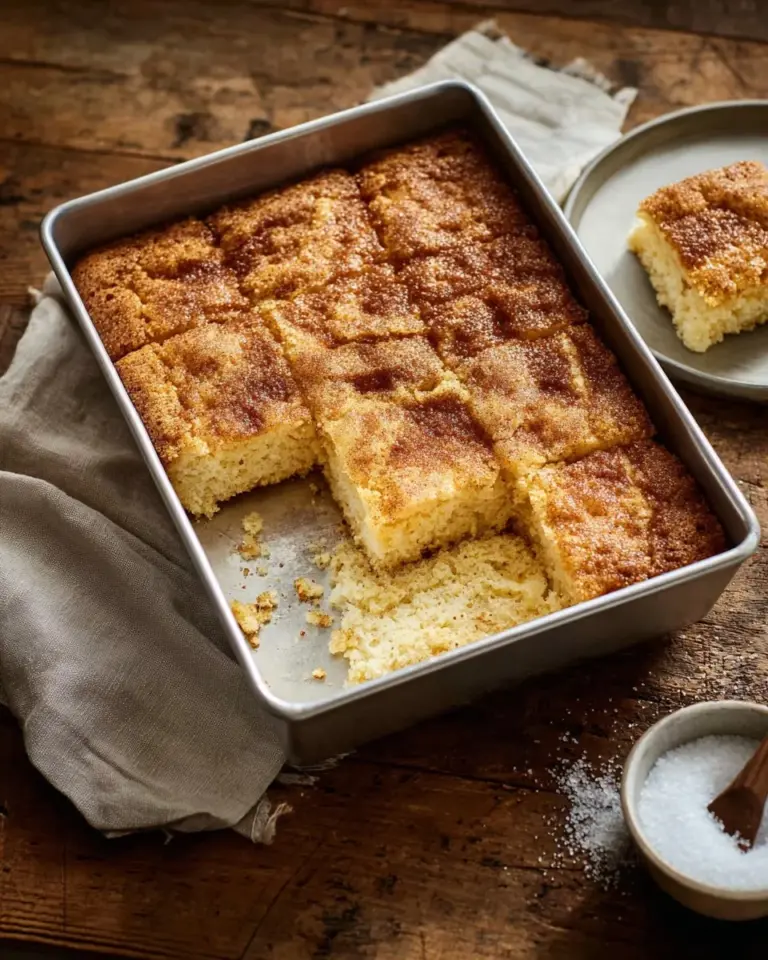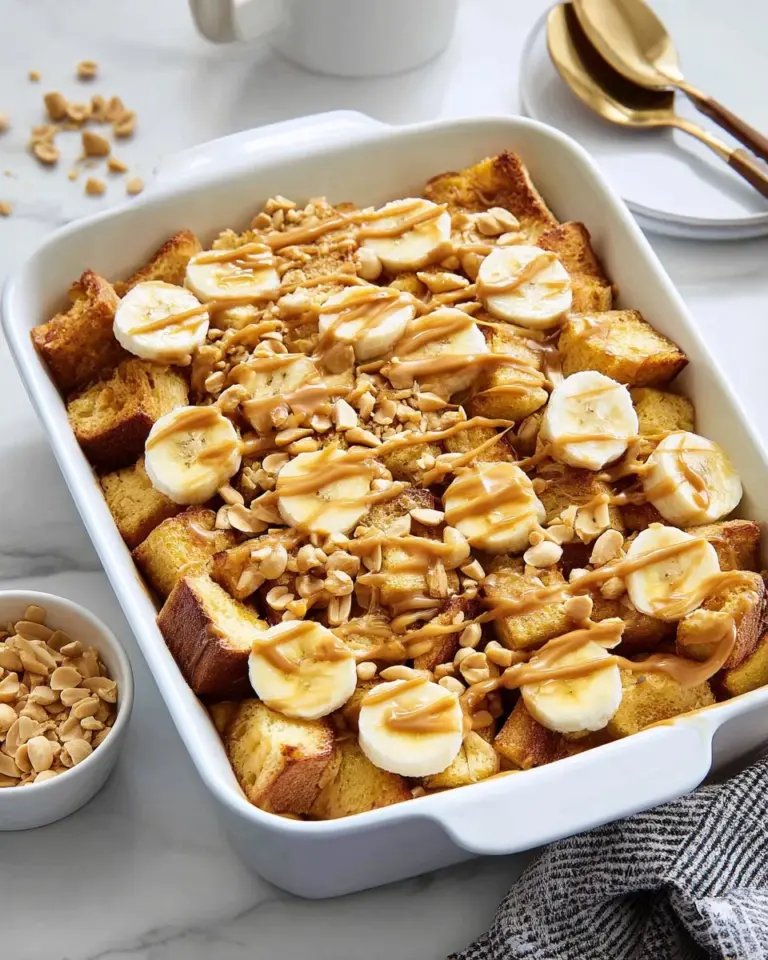

The Ultimate Guide to Making Irresistible Laminated Dough Bread
There’s something magical about the first bite of fresh-baked bread, especially when it has those mesmerizing flaky layers! I still remember the day I discovered Laminated Dough Bread at a quaint bakery during a family trip. The joy on my kids’ faces as they devoured those beautiful, golden-brown rolls was priceless. It felt like comfort wrapped in layers of love—each piece a testament to the art of baking and, most importantly, a doorway to the kind of memories that linger long after the last crumb is gone.
What makes Laminated Dough Bread so special? It’s all about that delectable flakiness, an irresistible texture that seems almost unattainable—unless you know the secrets that I’m about to share! This recipe stands apart from others because I’ve poured years of baking experience into perfecting it, and I can promise you that every step is crafted with love and precision.
In this guide, you’ll learn not just how to create your own Laminated Dough Bread, but also sprinkle a little magic into your kitchen. So grab your apron, and let’s transform simple ingredients into a nostalgic experience that your family will treasure for years to come!
What Are Laminated Dough Bread?
Laminated Dough Bread traces its origins back to the traditional French pastry technique known as lamination. By layering butter between sheets of dough, bakers create those dreamy, flaky layers that fans can’t get enough of. The result? A bread that doesn’t just look stunning but excels in taste and texture too. Imagine a bread that’s crisp on the outside, tender on the inside, with an aroma that envelops you like a warm hug!
What sets Laminated Dough Bread apart is the meticulous process of folding and rolling that creates those signature layers. It’s the kind of bread you relish on a Sunday morning with the family or as a showstopper at holiday gatherings. You can make it any time you like—a way to impress guests or simply to treat yourself to something extraordinary.
Why You’ll Love This Recipe
There are countless reasons to fall head over heels for this Laminated Dough Bread recipe, but here are the top five:
-
Homemade vs. Store-Bought: Let’s be honest—there’s no comparison between homemade Laminated Dough Bread and the pre-packaged stuff from the store. Your bread will have fresh, rich flavor, and let’s not forget that luscious texture!
-
Cost-Effective: Think about it: with a handful of pantry staples, you can create a bakery-quality loaf right at home! No more splurging on artisanal bread at the local bakery; you’ll enjoy the same luxury for a fraction of the cost.
-
Customization Galore: This bread is a canvas waiting for your personal touch! Add spices like cinnamon for a sweet twist or incorporate cheddar for a savory surprise. You can make it utterly unique each time you bake.
-
Difficulty Level: While it sounds intimidating, this recipe is beginner-friendly. With a little patience and practice, you’ll master the art of lamination and leave your family in awe at your baking prowess.
-
Joy of Baking: Let’s not forget the emotional aspect! Whether you’re cooking with your kids, surprising a loved one, or indulging in solo kitchen therapy, the act of baking brings joy and satisfaction like nothing else.

Ingredients
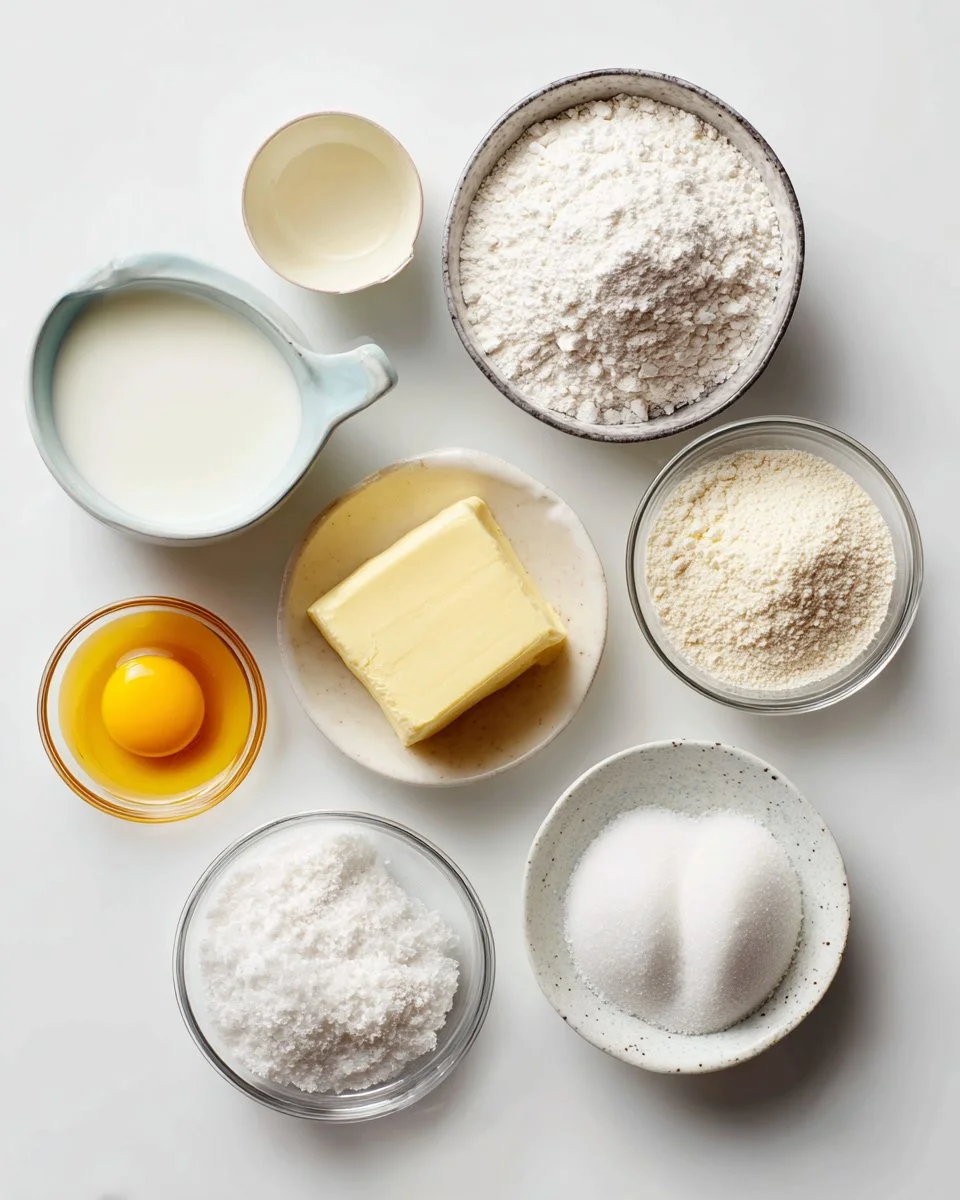
- 1 cup milk (warmed to 105-110 degrees F): Use whole milk for richness; alternatives like almond or oat milk work too, but the flavor may slightly differ.
- 2 1/4 tsp yeast (active dry or instant): Fresh yeast guarantees the best rise.
- 4 tbsp sugar: A hint of sweetness balances the flavors beautifully.
- 1 1/2 tsp salt: Essential for taste—don’t skip it!
- 3 tbsp butter (softened to room temperature): Use unsalted butter for better control over salt levels.
- 3 1/4 cups all-purpose flour: For perfect bread texture. Bread flour works too if you prefer a chewier bite.
- 1/2 tsp vanilla extract: Adds a warm flavor that elevates the bread.
- 3/4 cup unsalted butter (for lamination): Use high-quality European-style butter for richer layers.
- 1 egg (for egg wash): Helps achieve that golden finish.
- 1 tbsp water (for egg wash): Just a splash to bind!
Prep Notes: Ensure your butter is at room temperature for optimal blending.
Step-by-Step Instructions
1. Activate the Yeast
In a large bowl, combine the warm milk, yeast, and sugar. Let it sit for about 5 minutes, or until foamy. This ensures your yeast is active.
2. Create the Dough
Add the softened butter, salt, and 2 cups of flour. Mix on low speed until combined, then beat for 2 minutes until the dough becomes smooth.
3. Complete the Dough
Gradually incorporate the remaining flour and the vanilla extract until a soft dough forms. Knead for about 5 minutes until elastic.
4. First Rise
Transfer your dough to an oiled bowl, cover it with plastic wrap or a damp cloth, and let rise in a warm place for 1.5 to 2 hours or until doubled in size.
5. Chill the Dough
Once risen, flatten the dough into a rectangle, wrap it in plastic, and chill in the fridge for 20 minutes.
6. Lamination Process
Lay thin slices of cold unsalted butter over the center of the dough. Fold the sides over like an envelope. Roll out gently into a rectangle, then fold it again in thirds. Chill for 20 minutes.
7. Repeat Fold and Chill
Repeat the rolling and folding process two more times, chilling for 20 minutes between each fold. The more layers, the flakier the bread!
8. Shape the Dough
Roll the laminated dough into a tight log and cut it into pieces. Place in a greased pan and let rise for another 45 to 60 minutes.
9. Prepare to Bake
Preheat your oven to 350°F (175°C).
10. Bake
Brush the dough with the egg wash (beaten egg and water), then bake for about 1 hour or until golden brown. The aroma will be incredible!
Expert Tips & Tricks
- Use Cold Butter: If your butter is too soft, it can leak out, ruining those beautiful layers. Aim for firm, cold butter when laminating.
- Temperature Control: Always keep an eye on your dough temperature. If it’s too warm, the butter can melt, and you’ll lose those flaky layers!
- Storage: After baking, store your Laminated Dough Bread in an airtight container at room temperature for up to 2 days. For longer storage, freeze it in a zip-top bag for up to a month.
- Make Ahead: You can do the lamination process a day ahead. Just wrap and refrigerate the dough until you’re ready to rise and bake!
- Troubleshooting: If your dough isn’t rising, it might be a sign that your yeast is expired. Always check the expiry date before using.
Serving Suggestions
Laminated Dough Bread is perfect for any occasion! Serve it fresh out of the oven alongside a warm bowl of soup or slice it generously for a fantastic breakfast spread. It’s delightful with fresh fruit, butter, or a drizzle of honey. Presentation-wise, a dusting of powdered sugar can elevate your creation for a more elegant touch at brunch or during holidays.
Variations & Substitutions
There’s a whole world of flavors to explore with Laminated Dough Bread!
- Sweet Variations: Add chocolate chips or dried fruits like cranberries or apricots into the layers for a sweet treat.
- Savory Adaptations: Incorporate cheese, herbs, or spinach for a savory version that’s perfect for gatherings.
- Seasonal Spices: Consider folding in seasonal spices like nutmeg or pumpkin spice during fall for a cozy twist!
Nutrition & Storage Info
- Prep Time: 30 minutes (plus rise time)
- Cook Time: 1 hour
- Total Time: Approximately 3 hours (including rise times)
- Yield: 12 servings
- Estimated Calories: 200 calories per serving
- Storage: Keep at room temperature for 2 days or freeze for up to a month. To defrost, leave it at room temperature.
FAQ Section
-
Can I Use Whole Wheat Flour?
Yes! You can substitute half of the all-purpose flour with whole wheat flour, but it will yield a denser bread. -
How do I ensure my yeast is active?
Always check the expiration date on your yeast and use warm water or milk (105-110°F) to activate it. -
What happens if my dough doesn’t rise?
It might be too cold or the yeast could be inactive. Try placing it in a warmer spot or check your yeast. -
Can I make this dough the night before?
Absolutely! Follow through with the lamination steps, then wrap it tightly and refrigerate. Shape and rise it the next day. -
What should I do if my butter melts out while rolling?
If your dough gets too warm, chill it before rolling again to keep those layers intact. -
Is it okay to add fillings?
Definitely! Just ensure the fillings are not too wet, which could affect the dough structure. -
How can I achieve even baking?
Always preheat your oven thoroughly, and consider using an oven thermometer to check the actual temperature. -
Can I use a stand mixer instead of hand-kneading?
Yes! A stand mixer with a dough hook works wonderfully for kneading. -
What are some good egg wash alternatives?
You can use milk or cream for a less shiny top or an aquafaba wash for a vegan option. -
How do I prevent the bread from toughening after baking?
Avoid overworking the dough during lamination, and ensure you’re not baking at too high a temperature.

Conclusion
This Laminated Dough Bread recipe is a delightful journey—one that invites you into the world of baking with a promise of incredible flavors and textures. The joy of sharing it with family or friends is unmatched, so I encourage you to get started and create your own masterpiece. As you knead, fold, and bake, remember that every layer tells a story.
I’d love to hear about your baking adventure! Did you add a unique twist, or how did your loved ones react? Share your thoughts and experiences in the comments below, and don’t forget to check out more delicious recipes on the blog. Happy baking!

Laminated Dough Bread
Ingredients
Method
- In a large bowl, combine the warm milk, yeast, and sugar. Let it sit for about 5 minutes, or until foamy.
- Add the softened butter, salt, and 2 cups of flour. Mix on low speed until combined, then beat for 2 minutes until the dough becomes smooth.
- Gradually incorporate the remaining flour and the vanilla extract until a soft dough forms. Knead for about 5 minutes until elastic.
- Transfer your dough to an oiled bowl, cover it, and let rise in a warm place for 1.5 to 2 hours or until doubled in size.
- Once risen, flatten the dough into a rectangle, wrap it in plastic, and chill in the fridge for 20 minutes.
- Lay thin slices of cold unsalted butter over the center of the dough.
- Fold the sides over like an envelope. Roll out gently into a rectangle, then fold it again in thirds. Chill for 20 minutes.
- Repeat the rolling and folding process two more times, chilling for 20 minutes between each fold.
- Roll the laminated dough into a tight log and cut it into pieces. Place in a greased pan and let rise for another 45 to 60 minutes.
- Preheat your oven to 350°F (175°C).
- Brush the dough with the egg wash, then bake for about 1 hour or until golden brown.