Irresistibly Moist Salmon Recipes: Food Science Tips for Flawless Flavor Every Time!
When I first discovered the magic of cooking salmon, I was a little skeptical. Wouldn’t it just be a dry, flaky fish on a plate? But one family dinner changed everything. I vividly remember the aroma wafting through my kitchen as I pulled a beautifully roasted salmon from the oven—its skin crisp and glistening, the flesh undeniably moist. My family gathered around the table, and with the first bite, we were all hooked! That’s when I learned the secret: Moist Salmon Recipes + Food Science Tips for Best EVER Results! With just a handful of simple techniques and a dash of creativity, you can elevate this humble fish into a culinary masterpiece that will impress everyone—from your kids to your fancy dinner guests.
These moist salmon recipes aren’t just a step above the rest; they’re an emotional connection to the memories of family gatherings, a celebration of togetherness, and comfort food all rolled into one. There’s something about a perfectly cooked salmon dish that brings everyone to the table with smiles—and once you dive in, I promise you’ll understand why this method beats any store-bought or restaurant version.
Ready to harness the sweet science behind salmon? Let’s dive in and discover all the tips and tricks I’ve compiled through years of experimenting in my kitchen!
What Are Moist Salmon Recipes + Food Science Tips for Best EVER Results!?
Moist salmon recipes are a delightful fusion of culinary art and science, rooted in a blend of techniques designed to keep your fish juicy and flavorful. The origin of these recipes can be traced back to home chefs who wanted to preserve the delicate moisture of salmon while enhancing its natural taste. The key lies in understanding how heat interacts with fish proteins and fats.
When cooked properly, salmon has a melt-in-your-mouth texture with a flavor profile that ranges from buttery to subtly sweet, especially when complemented with spices or marinades. What makes these recipes unique is the careful attention to detail—using methods like poaching, sous-vide, or baking en papillote—that keep the salmon moist and tender while elevating its flavor.
These recipes are perfect for any occasion—whether it’s a weeknight family dinner or a party with friends. They are versatile enough to be tailored for special diets or times of the year, making them a staple in my kitchen and, I believe, in yours too.
Why You’ll Love This Recipe
Here are five reasons why you’ll be raving about these moist salmon recipes:
-
Superior Flavor and Texture: Unlike store-bought salmon, which can often be overcooked and dry, these techniques ensure your fish remains tender and delicious. Trust me, you’ll want to savor every bite!
-
Cost-Effective: Fresh salmon can seem pricey, but making it at home is a fraction of the cost of dining out. And with these recipes, you’ll get restaurant-quality results without breaking the bank!
-
Customization Galore: One of my favorite things about these recipes is how easy they are to customize. From toppings to marinades, you can adapt these dishes to match your taste preferences or dietary restrictions.
-
Beginner-Friendly: Whether you’re a seasoned cook or just starting, these techniques are straightforward and accessible. If I can master them, so can you!
-
Nostalgic Comfort Food: Cooking and enjoying salmon has brought my family together for years. This isn’t just food; it’s a way to create lasting memories.
Believing that homemade is always better than fast food? I couldn’t agree more!
Ingredients
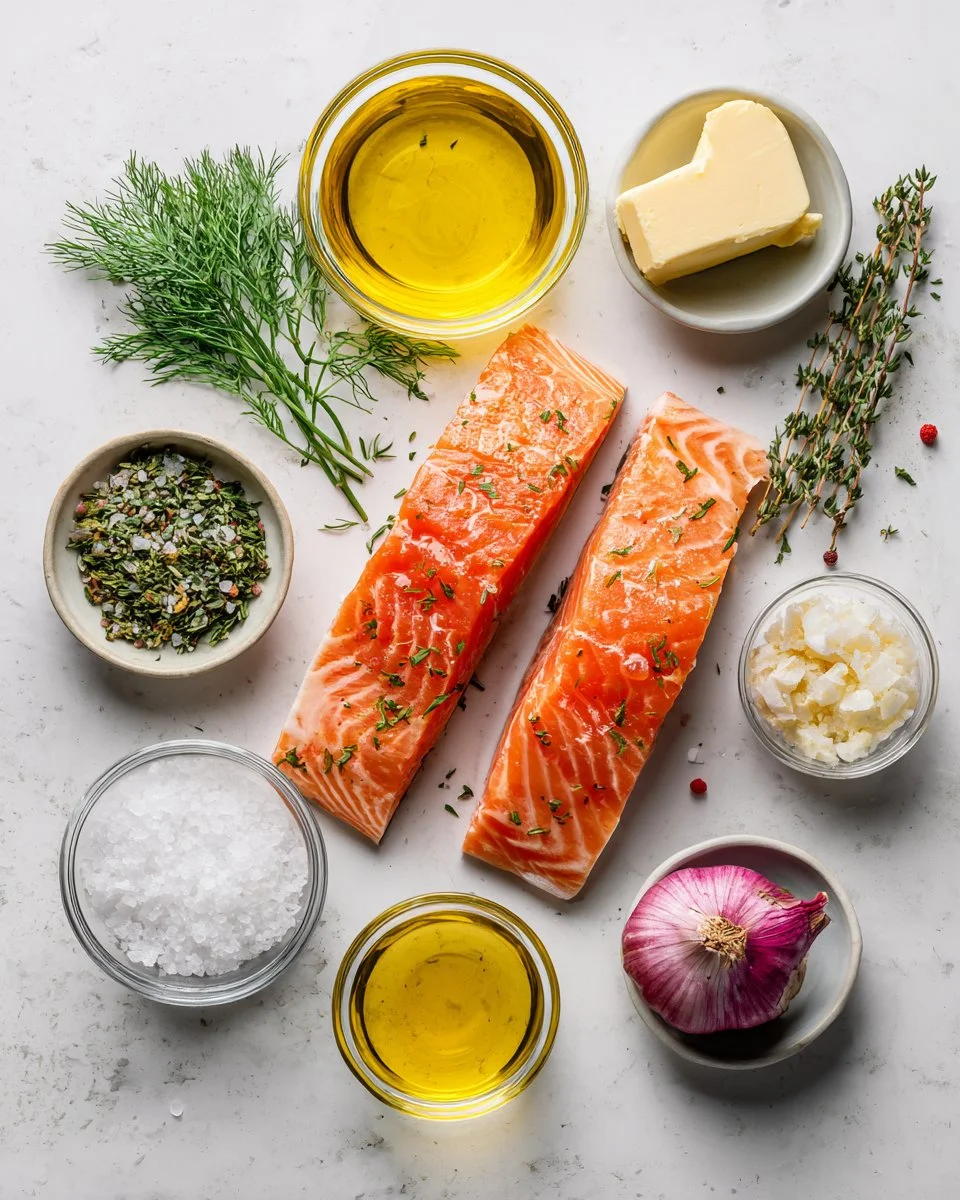
To craft the perfect moist salmon, you’ll want the freshest ingredients. Here’s what you need, organized by order of use:
- Salmon: Look for thick, bright, and firm pieces. I recommend wild-caught salmon if available for the best flavor.
- Olive Oil: Use cold-pressed, high-quality olive oil to enhance the salmon’s richness.
- Butter: Unsalted is best, and room temperature butter works great for easy mixing and spreading.
- Lemon Zest and Juice: Fresh is always better! The acidity balances the richness of the salmon.
- Garlic: Fresh garlic adds a punch, but feel free to substitute with garlic powder.
- Herbs: Fresh dill, parsley, or thyme—use what you have or love!
- Salt & Pepper: Freshly ground for the best flavor.
Remember, quality matters! Always opt for the freshest seafood and herbs. And if you’re feeling adventurous, try a brand of artisanal butter for an extra decadent touch!
Step-by-Step Instructions
Now that you have your ingredients ready, it’s time to bring it all together. Heat your oven to 375°F (190°C).
-
Prep Your Salmon:
- Rinse the salmon fillet under cold water and pat dry with paper towels.
- Keep the skin on for moisture and flavor. If using skinless fillets, be extra careful not to overcook!
-
Make the Marinade:
- In a small bowl, mix together 2 tablespoons of olive oil, the juice and zest of one lemon, minced garlic, salt, and pepper.
- Rub this mixture generously over your salmon fillets to enhance their flavor.
-
Bake with Care:
- Place the salmon skin-side down in a baking dish lined with parchment paper. This prevents sticking and makes cleanup a breeze!
- Bake in the preheated oven for 12-15 minutes, depending on thickness. You’re looking for a light pink color in the center that flakes easily with a fork (think of it as “perfectly cooked” rather than “overcooked”).
-
Chef’s Tips:
- Cooking time varies significantly based on fillet thickness—aim for 4-6 minutes of cooking time per half inch of thickness.
- If you want a little extra crispy skin, broil the salmon for the last 2 minutes!
-
Serving:
- Let the salmon rest for a couple of minutes before serving. This allows the oils to redistribute.
Common Mistakes to Avoid:
- Overcooking: Too much heat or excess time will lead to dryness. Trust your senses!
- Skipping Marinade: Don’t shy away from prepping flavors in advance.
Ready to enjoy your masterpiece? Pick your favorite moist salmon recipe from the collection above and enjoy!
Expert Tips & Tricks
Here are a few tips to elevate your salmon game even further:
-
Use a Thermometer: For precision cooking, aim for an internal temp of 125°F (51°C) for medium-rare or 145°F (63°C) for well done.
-
Storage: Store leftovers in an airtight container in the fridge for up to 3 days. Reheat gently in the oven to avoid drying out.
-
Make-Ahead: You can marinate the salmon up to 2 hours in advance. Overnight infuses deeper flavor!
-
Troubleshooting Dry Salmon: If you’ve overcooked it, whip up a quick sauce—like a lemon butter sauce—to drizzle over it for moisture.
-
Experiment with Smoking: If you have a smoker, try smoking your salmon for a new flavor profile.
-
Presentation Matters: Elevate your dish with fresh herbs, lemon wedges, or a drizzle of balsamic glaze for that restaurant-worthy look.
Serving Suggestions
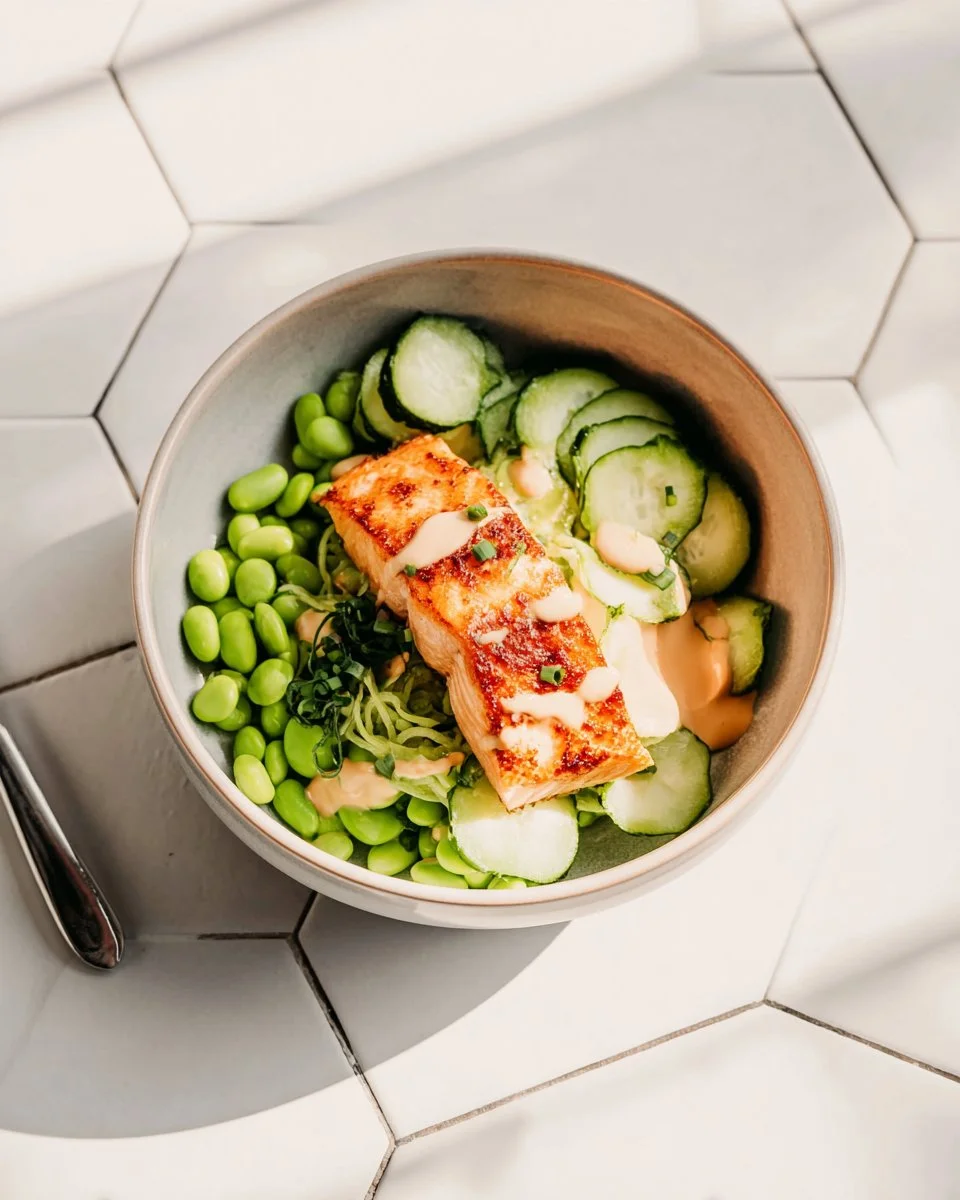
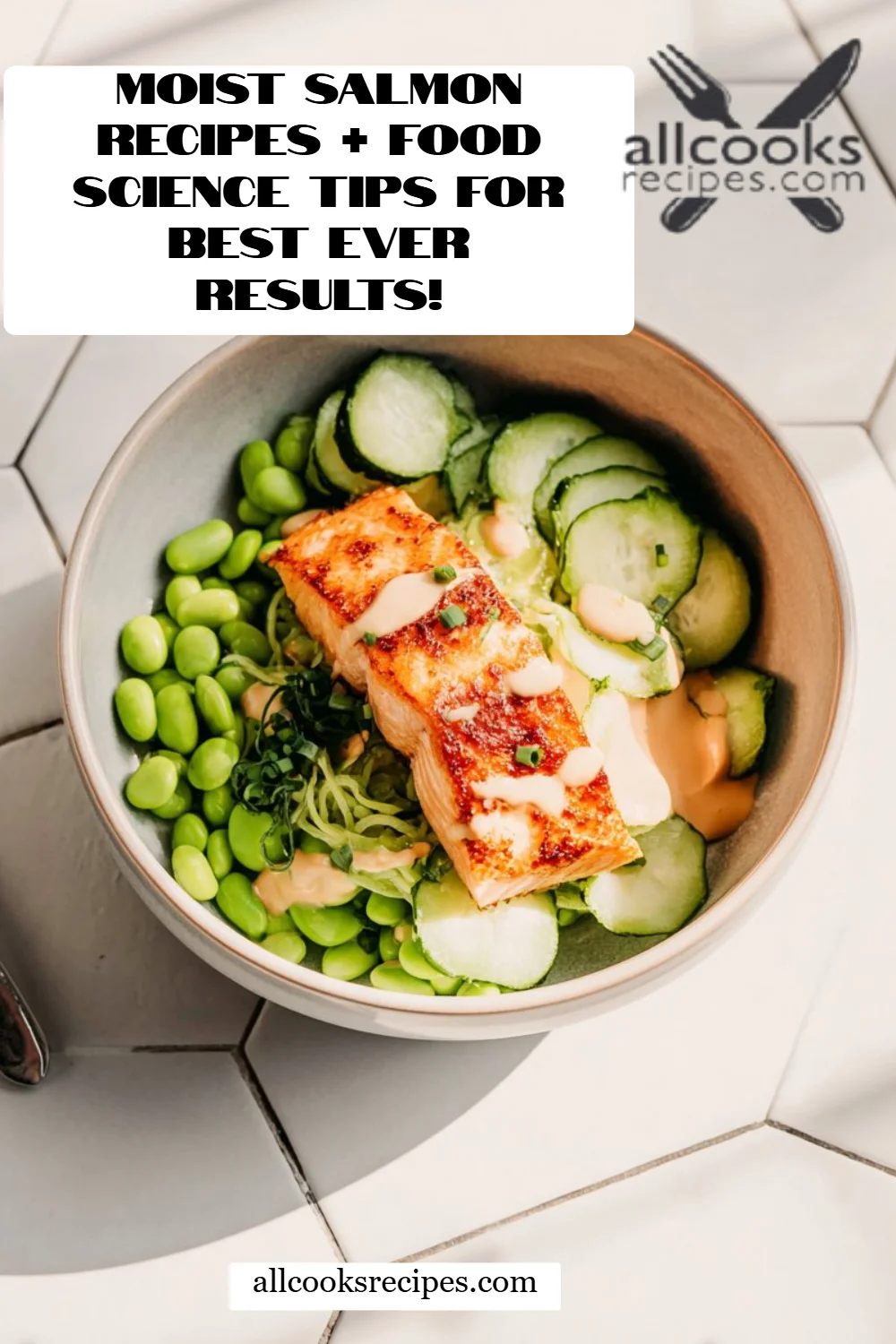
Serve your moist salmon alongside creamy mashed potatoes or a light quinoa salad for a well-rounded meal. Roast some seasonal veggies, like asparagus or Brussels sprouts, for added color and nutrition. And if you’re feeling extra fancy, garnish with microgreens or edible flowers for that chef’s touch! This dish is perfect for everything from casual weeknight dinners to festive occasions like Easter or summer BBQs.
Variations & Substitutions
You don’t have to stick to the basics! Here are ways to switch things up:
- Flavor Combinations: Try a honey-soy glaze, lemon-dill butter sauce, or even a spicy harissa rub.
- Dietary Adaptations: Use a gluten-free soy sauce for a gluten-free option, or replace fish with tofu for a plant-based alternate.
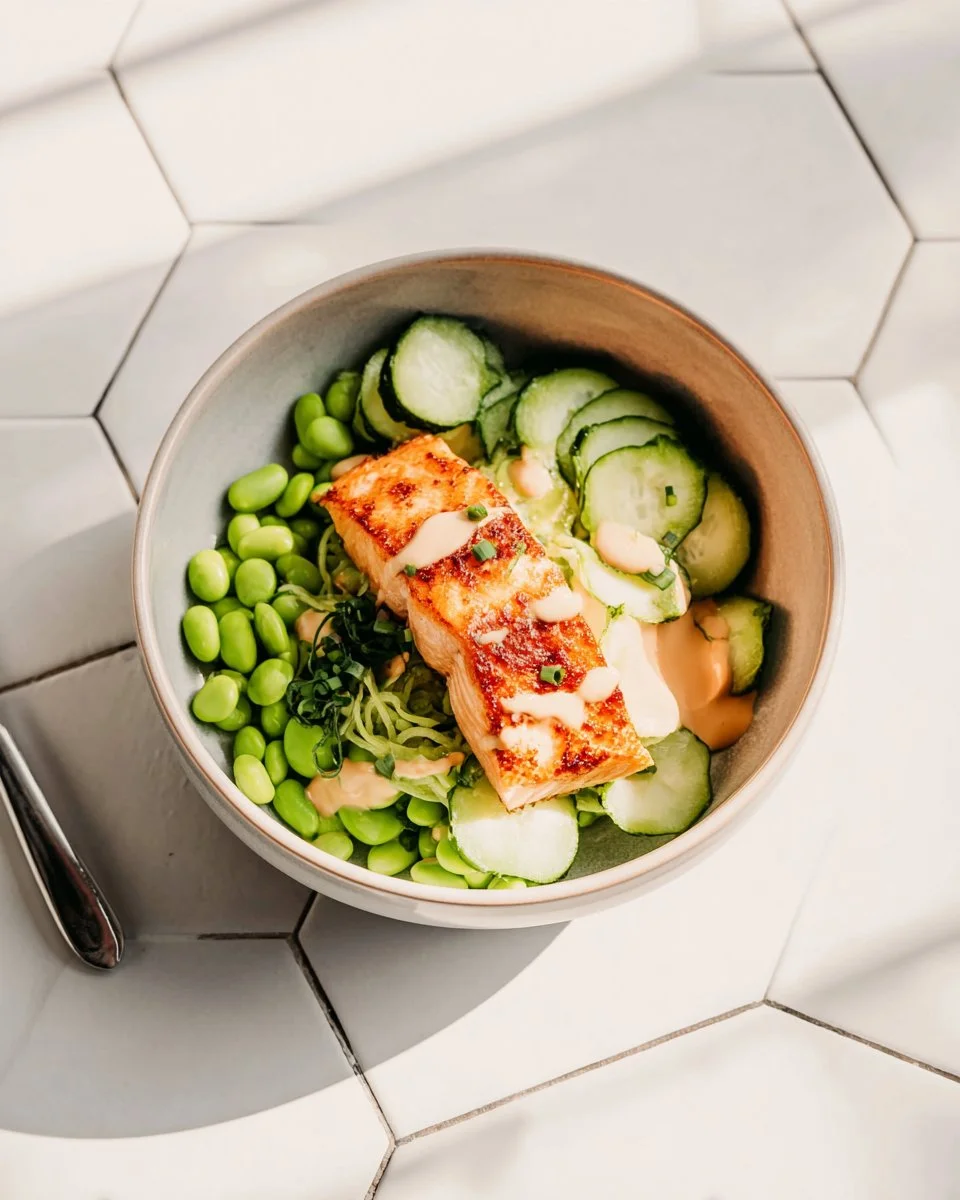
- Seasonal Variations: In fall, try serving with roasted root vegetables. In summer, pair with a fresh cucumber salad.
Nutrition & Storage Info
- Prep Time: 10 minutes
- Cook Time: 15 minutes
- Total Time: 25 minutes
- Yield: Serves 4 (2 fillets per serving)
- Estimated Calories: Approximately 300 calories per serving
- Storage Instructions: Refrigerate in an airtight container for up to 3 days. Freeze for up to 2 months, wrapped tightly.
- Thawing: Always thaw frozen salmon overnight in the fridge.
FAQ Section
-
What’s the best way to know salmon is done?
The best method is to use a food thermometer. Look for an internal temperature of 145°F (63°C) for well-cooked salmon. -
Can I use frozen salmon?
Yes! Just be sure to thaw it completely in the fridge before cooking for the best texture. -
What’s the difference between wild-caught and farmed salmon?
Wild-caught salmon tends to have a more robust flavor and is generally leaner. Farmed salmon is fattier and often milder. -
Can I make these recipes without an oven?
Absolutely! You can grill, poach, or pan-sear your salmon for equally delicious results. -
Is salmon skin edible?
Yes! It’s a great source of omega-3 fats. If you prefer not to eat it, you can easily remove it after cooking. -
How do I reheat leftover salmon?
Gently reheat in the oven at a low temperature (300°F/150°C) until warmed through to maintain moisture. -
Can I add spices to the marinade?
Definitely! Feel free to add your favorite spices like paprika, cumin, or even a touch of cayenne for some heat. -
What if I don’t have fresh herbs?
Dried herbs can also work well; just use a smaller amount—fresh herbs are generally more potent. -
Is there a substitute for butter?
Yes! You can use olive oil or ghee as a healthier alternative, or even coconut oil for a different flavor twist. -
What should I do if the salmon smells fishy?
Fresh salmon shouldn’t have a strong fishy smell. If it does, it may not be fresh and should not be consumed.
Conclusion
These moist salmon recipes are a game-changer, transforming a simple fish into a flavorful, unforgettable meal. I’m confident that once you try it, this will become a staple in your kitchen as it has in mine. Don’t forget to share your feedback and let me know how your salmon turned out. And if you’re looking for more deliciousness, be sure to check out my other related recipes on the blog! Happy cooking!
Moist Salmon
Ingredients
Method
- Preheat your oven to 375°F (190°C).
- Rinse the salmon fillet under cold water and pat dry with paper towels.
- Keep the skin on for moisture and flavor. If using skinless fillets, be extra careful not to overcook!
- In a small bowl, mix together olive oil, the juice and zest of one lemon, minced garlic, salt, and pepper.
- Rub this mixture generously over your salmon fillets.
- Place the salmon skin-side down in a baking dish lined with parchment paper.
- Bake in the preheated oven for 12-15 minutes.
- Look for a light pink color in the center that flakes easily with a fork.
- Let the salmon rest for a couple of minutes before serving.